
CARTER SIREIKA
Special to The Leader
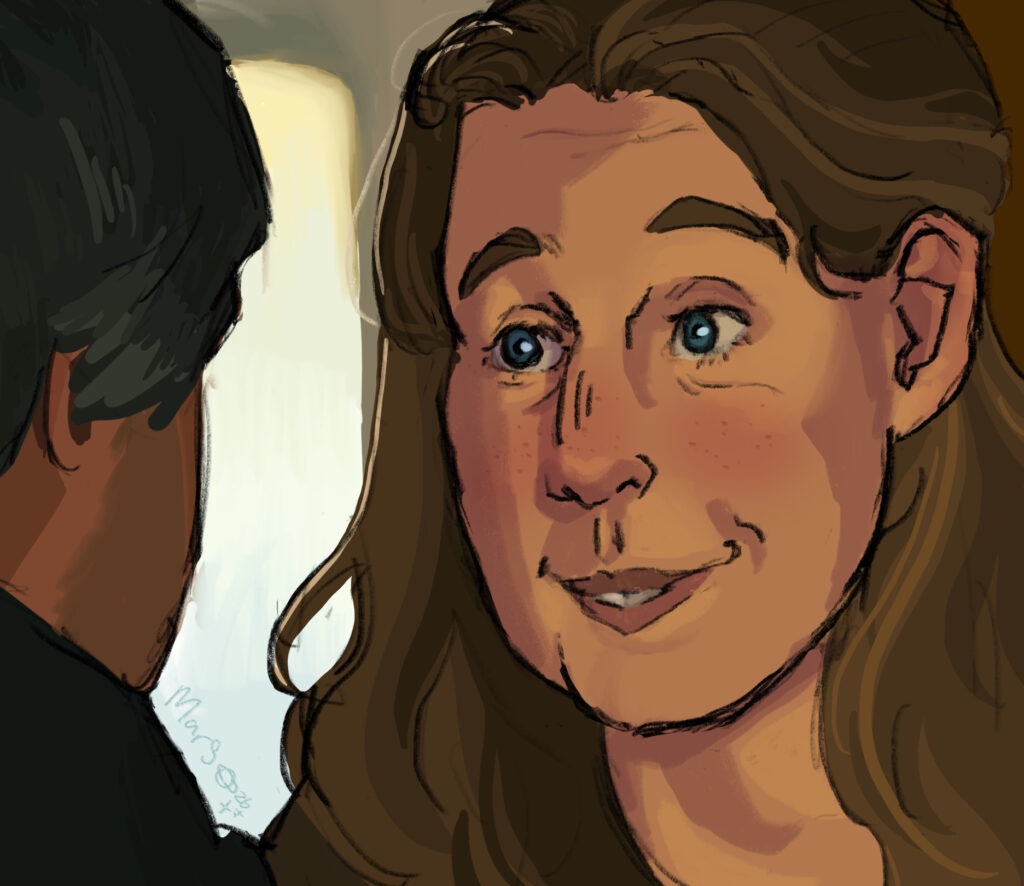
Graphic by MARS ARENSEN| Specical to The Leader
“You Can See Everything” is a new documentary produced by A24 currently in theatres. The film focuses on convicted felon Elizabeth Holms, documenting her final 34 days with her children and partner, Billy Evans, in a San Diego beach house.
Directed by Nathan Fielder and co-directed by cinematographer Lance Oppenheim, the film features a nearly three hour runtime that explores Holmes as a person and how she views the crimes she committed.
About 80% of the footage in this movie is genuine, real and unscripted. Alongside scripted reenactments of segments the crew could not legally film.
Oppenheim’s cinematography goes far beyond picking up a camera and documenting the events around. These shots are carefully planned and coordinated.
Earlier this fall, Oppenheim released his feature-length film, “Primetime,” which established a distinct visual style that carries over to this documentary.
These shots are cinematic-looking and it is even crazier when you remember that these are unscripted events taking place.
I love the coloring grading he does in post-production, adding this sense of grit and realism to the film.
Who I really enjoyed in this movie was Nathan Fielder who was the one asking questions and gathering information and I think he did great at documenting his experience with the Holms.
He stayed with them during filming, and he was really professional throughout. Making sure to give the family their space, and he didn’t shower them with criticism, but he didn’t sugarcoat either. He was always honest with the family, even if he was brutally honest. He was there to just get info, and the stuff he gathered was genuinely interesting and kept me engaged.
Fielder also does a good job injecting some comedy into this movie.
Fielder is a funny guy who does crack jokes in awkward situations but they’re not constant and he handles the situation at hand very maturely.
I think the documentary was done in a very ethical way, which I still think is important even when documenting a criminal.
The moments these cameras captured were shocking and left me in disbelief that some of this was actually real.
Most of the major reveals do not occur until later in the film, but the earlier scenes offer a genuinely disturbing look into their mindset, raising questions about how those involved will respond now that the project is in the public eye.
There are little details to look out for that really show you who these people are.
This film does a great job of giving you a picture of what’s going on in their heads, and it is genuinely disturbing to think about at times. I am curious about what some of the people involved are going to say after this and how they will respond to these events being in the public eye.
I don’t watch a lot of documentaries, and I didn’t expect to enjoy this as much, but this really blew my expectations away with how well it was done and gave me a new perspective on non-fiction storytelling.
Fielder and Oppenheim have conducted something special here: a mind-bending, visually stunning and ethically grounded documentary.
“You Can See Everything” stands out as one of the most impressive films I’ve seen all year, earning a 10 out of 10.
It reminded me how the real world can be just as wild and shocking as a fictional story.