
LILY LAVACCA
Special to The Leader
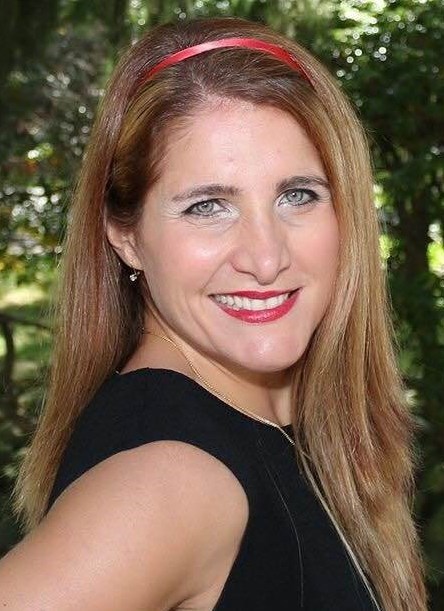
Kathryn Pucci-Schaefer. Photo via fredoniabluedevils.com.
SUNY Fredonia has lost the art of the elective.
When students are picking out their classes, they start with those required for their major.
Then, they may have extra room in their schedule for one or two classes outside of their concentration.
This is when they decide whether to pick up a class with a $100 required textbook, a class with stressful midterm and final exams or a class that they will end up having poor attendance in.
They finish the semester with a D in the elective, as they prioritized their major-specific coursework instead, bringing down their GPA.
This is the downside of taking electives with a heavy workload.
Students become more stressed, fail to complete their work, and in the end, their GPA suffers.
The Course Catalog on the Fredonia website desperately needs to be updated.
Along with majors that have been cut or otherwise lost, there are courses listed that no longer exist.
The greatest deficit that I have observed is in the physical education major.
Only two classes are being offered next semester, Basic Aerobics: Power Yoga and Tai Chi, and none are being offered in this current semester (Spring 2026).
In the past, there have been multiple yoga classes running at once.
With only one of these courses happening per semester, it limits students’ ability to join due to schedule conflicts.
The most troubling part of this issue for me is that these classes are greatly beneficial.
College kids get advice on how to manage their wellness, such as workout tips, mental health tips and unconditional positive energy.
There can certainly be points in the semester where it feels like there is a lot of work to do and no time to relax, especially when students are involved in extra curriculars.
The lack of physical education classes built into students’ schedules, allowing them to earn credit, is a real loss to the progression of our degrees.
It can cause burnout in underclassmen who have loaded schedules with lots of reading, studying and exams.
The body movement classes I have experienced require minimal work outside of class, while still including writing assignments, research projects and wellness tasks.
These activities provide the same enriching, thought-provoking qualities of any other course at the university, making them just as important.
This isn’t even mentioning the mental health benefits that come with consistent exercise.
Plenty of research has been done on the impact of stress on students’ education, as well as the positive impact of physical activity on stress.
So, why is it not considered more often?
A 2025 study from The University of Zambia on exercise as a stress-coping mechanism showed that university students in particular benefit from this as a medium.
This demographic is in an important transition period from adolescence to adulthood where they are adopting lifestyle skills, habits and routines.
Students will turn to coping mechanisms, healthy or not, to manage their stress.
Physical exercise has been proven to encourage positive emotions, mental clarity and focus.
Bishop Christy, an English adolescence education major, said that he had never heard of the sport classes the university used to offer, such as swimming and racquetball.
When asked about unconventional classes that he has taken, he said that he took an acting class last semester, which, Christy said, “pushed me out of my comfort zone and utilized physical expressiveness to learn.”
This is an important piece, as research defending physical education shows it is a comprehensive, well-rounded way to learn that is different from sitting at a desk in a classroom.
As an education major, he said that he “grew more comfortable in front of peers and could see it benefiting my teaching.”
He also said that this format of learning was “more intimate and fostered strong connections among students.”
This is a great example of an artistic, unique elective that Fredonia students could take to add more depth to their schedules and get them out of their comfort zones while still providing enriching learning and experience.
After an interview with physical education professor Kathryn Pucci-Schaefer, I learned much more about the history of this program and what people have been trying to do about it.
She mentioned a course I had never heard of before, Aqua Aerobics (PHED 101).
The description of this course was, “Introduces a sequence of water exercises that enhances the student’s aerobic fitness.”
Pucci-Schaefer stated this was the “most fun class I have taught, you’re working out, but you’re not sweaty, you barely even realize you’re exercising.”
She said splashing around in the water “would brighten anyone’s day.”
It was stress-relieving and playful, and she always had music playing to encourage this fun mood.
She also told me, however, that this course faded into the background as there were often scheduling issues with lifeguards, and the university eventually decided to stop offering it at all.
“…In a high-pressure world, students need to de-stress and take care of themselves to become more holistic and well-rounded people,” she said.
Pucci-Schaefer encourages members of Fredonia’s community to write to administrators to make a difference.
She said to encourage students to take classes and spread the word to their peers.
Of course, it is a concern with this university that there are not enough students consistently enrolled to fill these classes.
My answer to this would be for the university to adjust their budgets across the campus and focus a larger percentage of on course and program development.
Pucci-Schaefer is more than willing to teach more courses and reaches out to the university every semester asking about courses.
She is typically given notice of these upcoming courses a year in advance.
I also know that experimental electives can be hit or miss, and it is hard to rely on students to choose a class that is not required to graduate.
My answer to this is to have advisors advertise these courses.
It will take more than just the students’ effort to rebuild this program; it will require support and advertisement from the faculty and university media as well.
In general, the best way to reignite this program is to spread the word.
Not everyone will want to become a gym teacher after reading this and demand the entire physical education program be opened again, but I’d love to see at least a couple more options for students to get involved in physical activity to break up their typical work weeks.